Ion Milling Process Chamber:
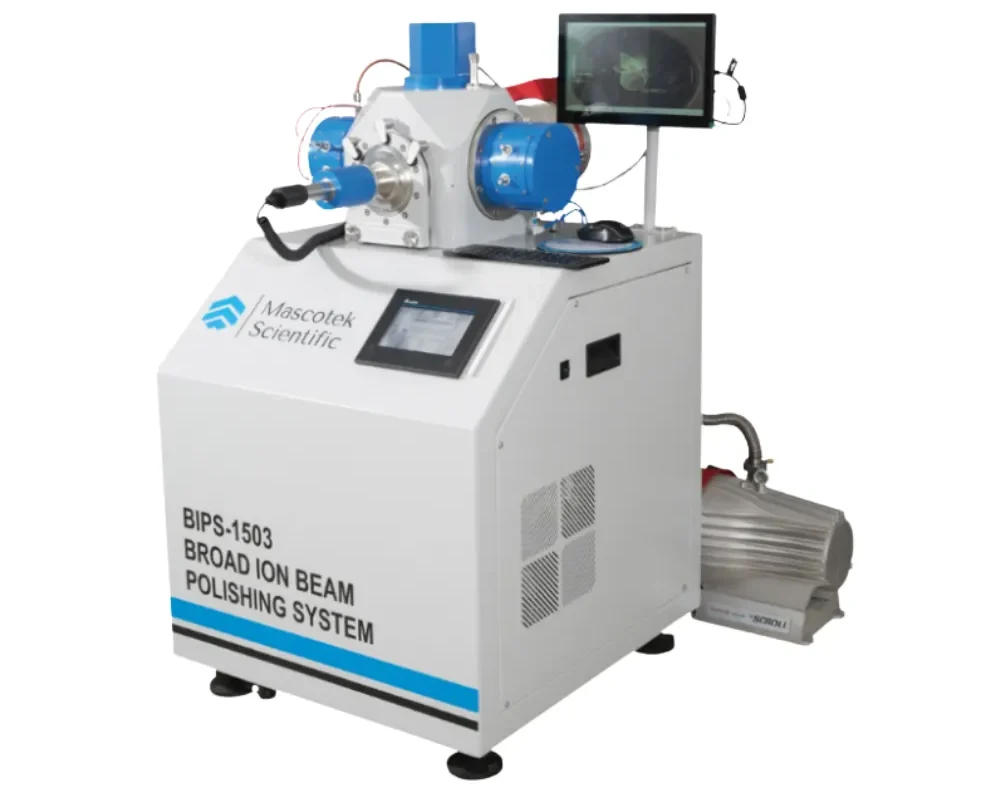
Ion milling chamber manufactured from single block machined Aluminum is pumped using turbomolecular pump backed by dry scroll pump to enable base pressure of 2 X 10⁻⁶ mbar or better
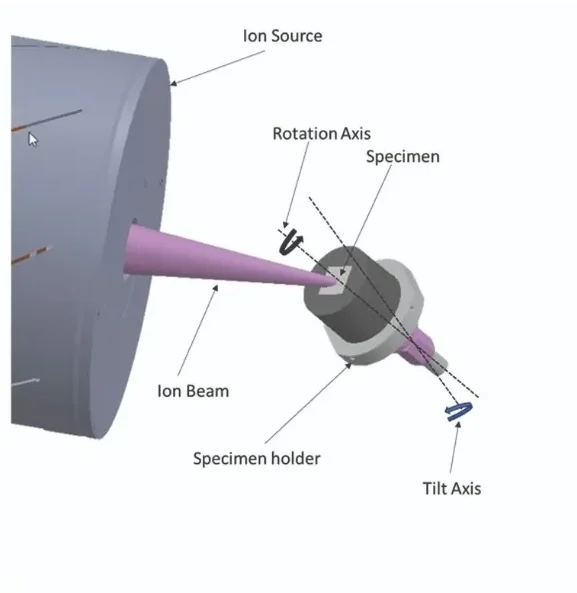
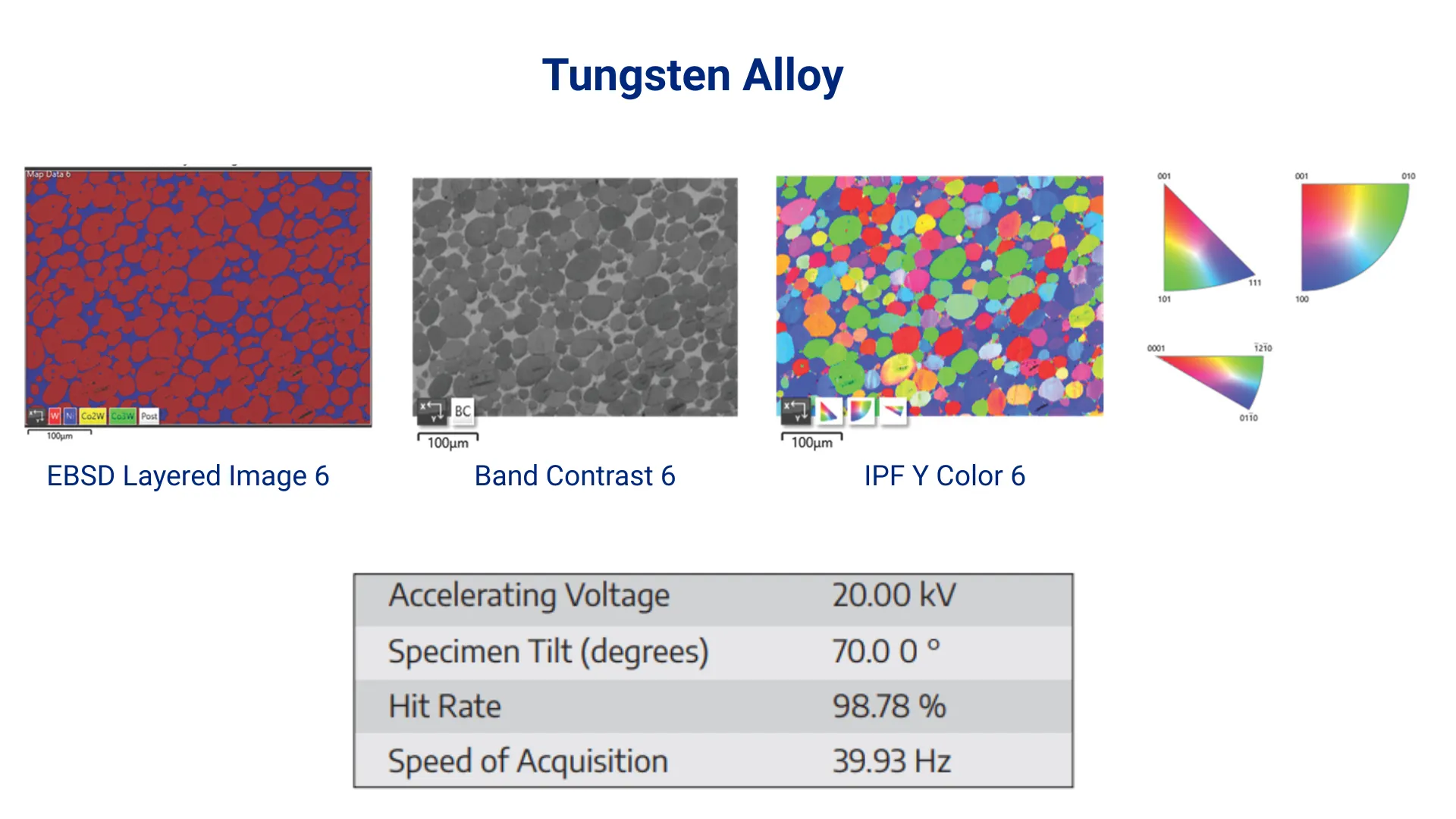
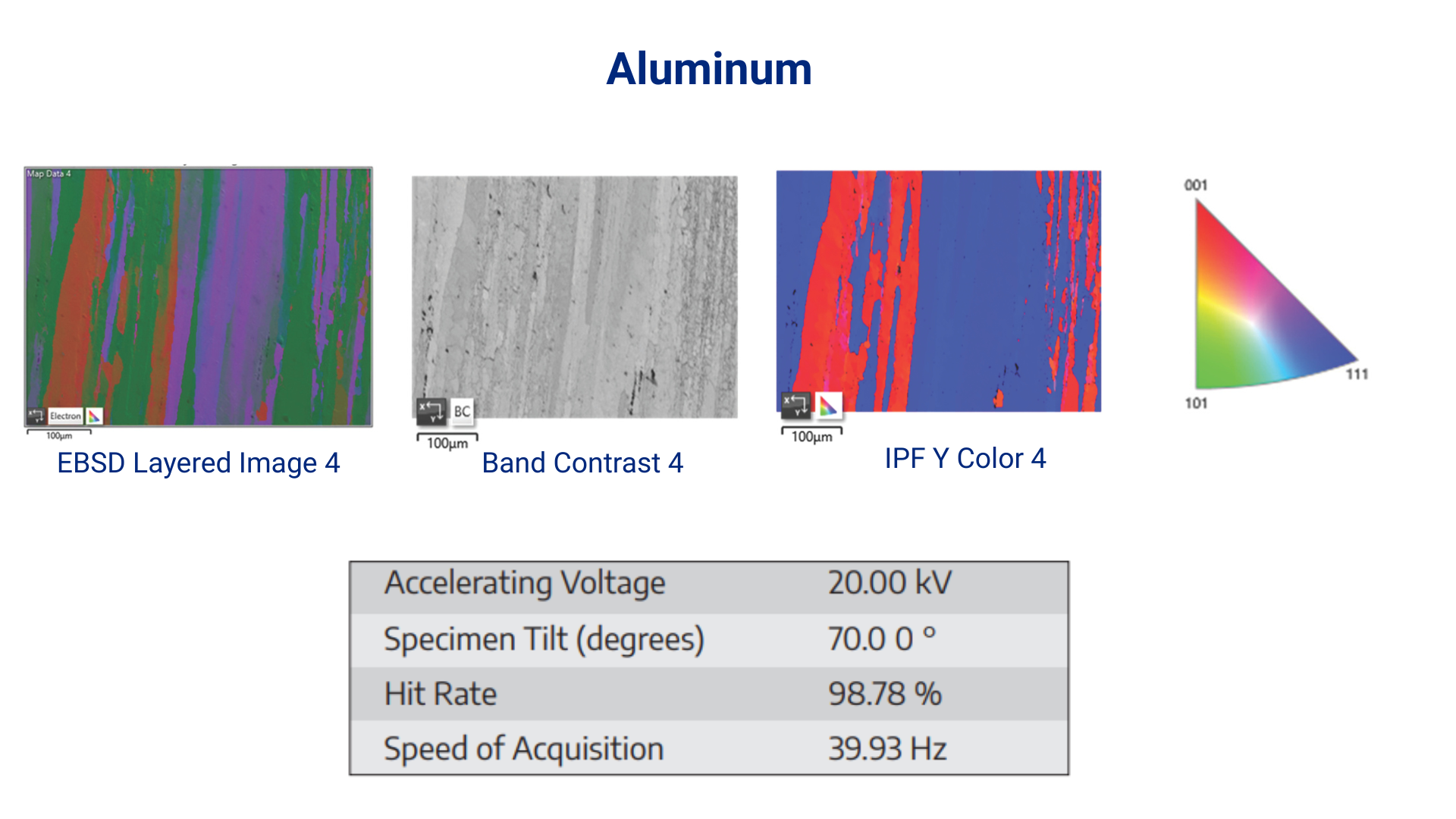
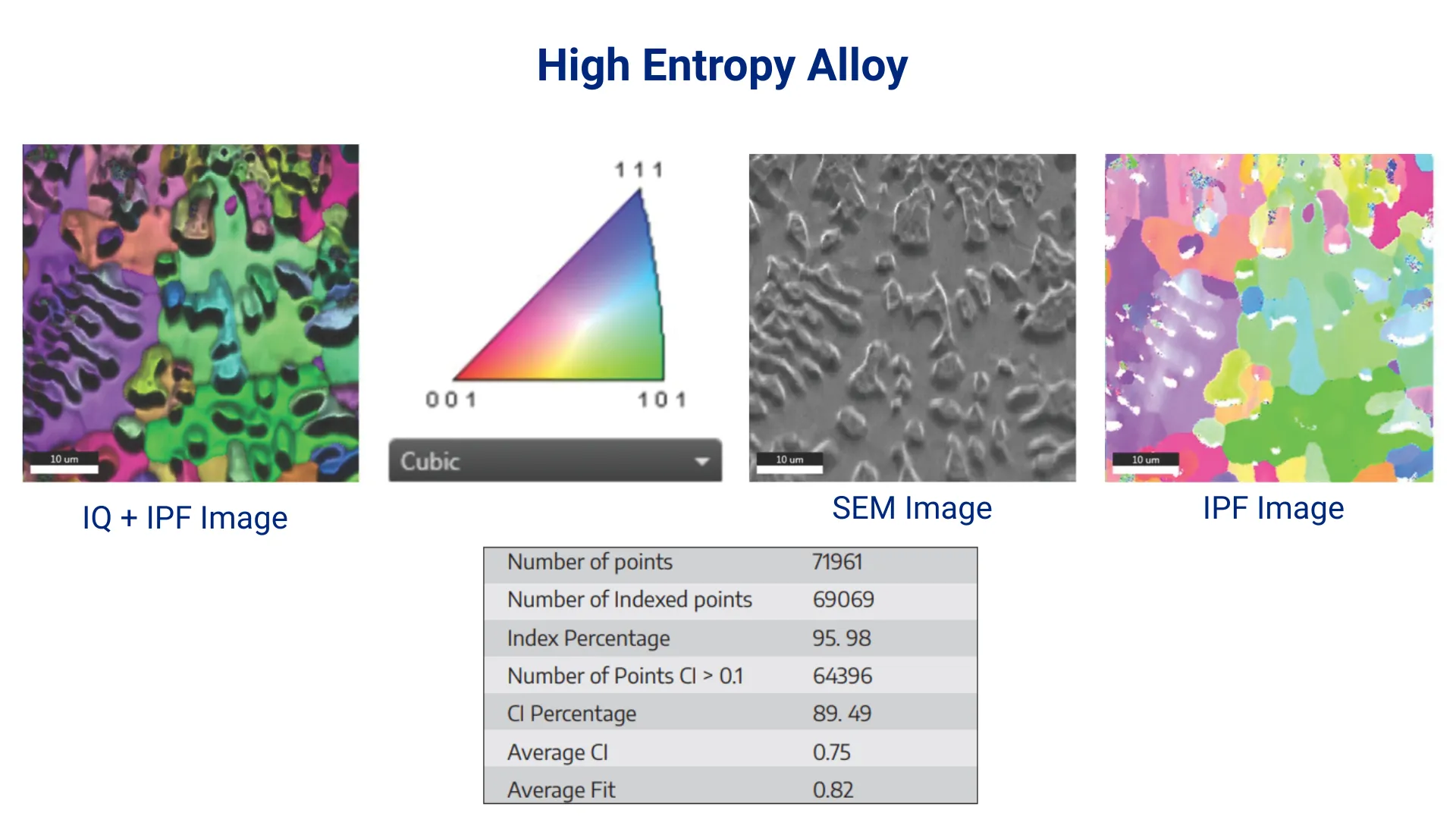
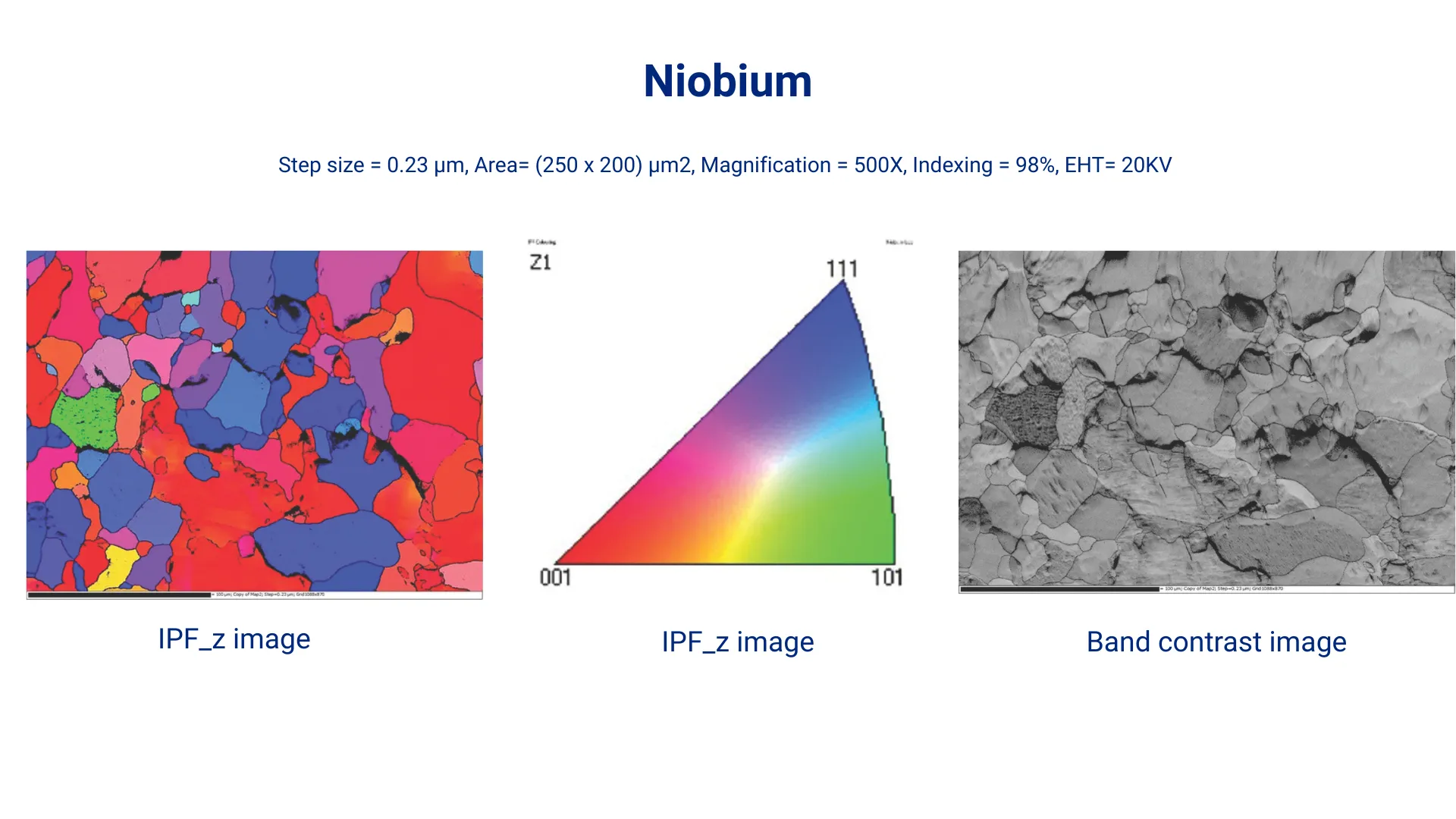
Argon Ion Source (Mascotek’s Model: IS203) for EBSD Ion Milling
- Argon ion gun IS203 is water cooled inductively coupled type powered using RF Generator with auto matching network
- Housing stainless steel, discharge chamber high quality alumina ceramics
- Gridded ion extraction system generates converging ion beam which covers the specimen treatment diameter of 12mm at 15 degrees beam incident angle and 16mm at 3 degrees beam incident angle
- Beam energy controllable up to 1500 eV
- Beam current controllable maximum up to 10 mA
- A dedicated gas inlet and Mass Flow Controller provided for EBSD Ion Source
- Manually operated shutter with Faraday plate for Ion beam diagnostics
Specimen Holder for EBSD Milling:
- Specimen holder mounted directly onto a vacuum-sealed sliding door
- Specimen holder capable to mount EBSD flat specimen of diameter 25mm X 20mm high (maximum)
- Bakelite mounted specimen suiting the above dimensions can also be used
- Specimen holder can be rotated up to 10rpm
- The specimen holder can be tilted to enable minimum ion beam angle of incidence of 1 degree up to maximum 15 degrees
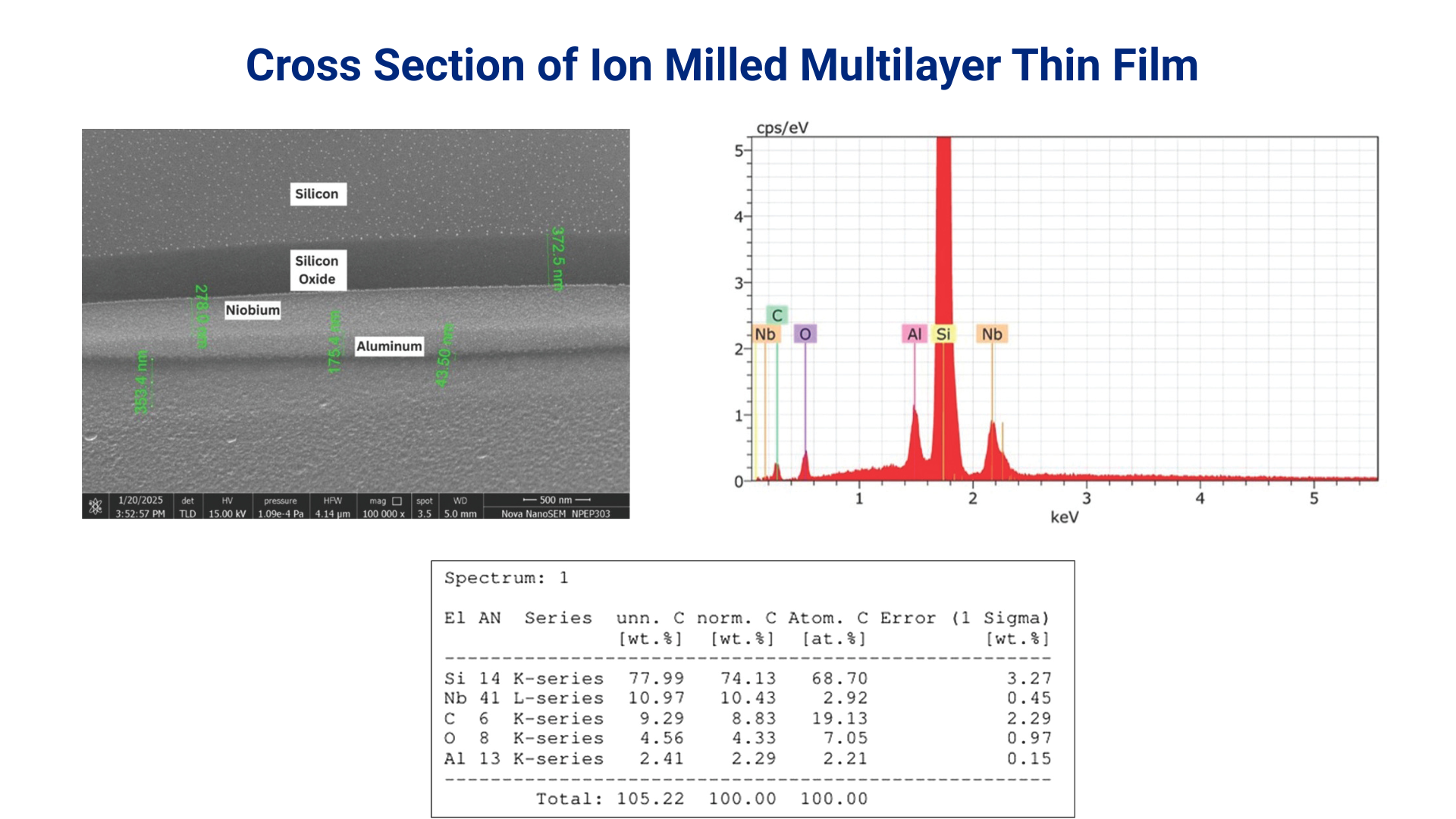
Argon Ion Source (Mascotek’s Model: IS203CS) for Cross-Sectional Milling:
- Argon ion gun IS203CS is water cooled inductively coupled type powered using RF Generator with auto matching network
- Housing stainless steel, discharge chamber high quality alumina ceramics
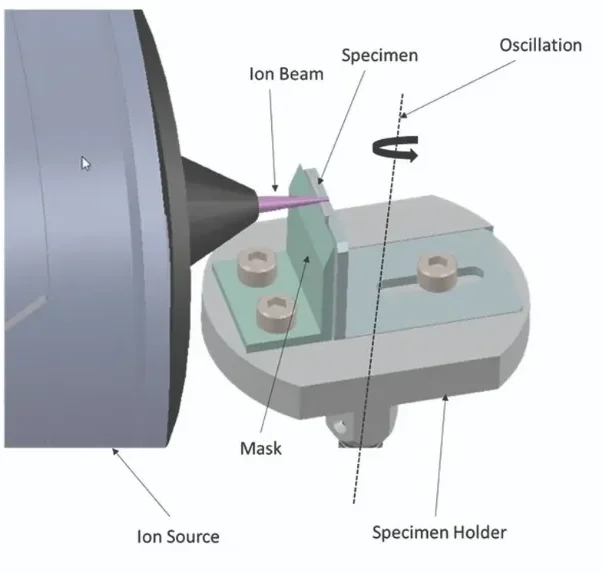
- Gridded ion extraction system with a conical aperture to enable 3mm diameter beam spot suitable for cross section milling
- Beam energy controllable up to 1500 eV
- Beam current controllable maximum up to 10 mA
- A dedicated gas inlet and Mass Flow Controller provided for Cross Sectional Ion Source
- Manually operated shutter with Faraday Plate for ion beam diagnostics
Specimen Holder for Cross Section Milling:
- Specimen holder with sputter mask suitable for holding cross-sectional samples of maximum size 15mm L X 15mm W X 15mm H
- Specimen holder can be oscillated within maximum +/-45 degrees if and when required to have larger ion beam exposure area
Either of the sources (EBSD or Cross section milling) along with their respective specimen holders will be used at a single time
User Interface:
Process control done using PLC with 7-inch touch screen HMI
HD CMOS Camera:
HD CMOS camera for real time imaging of ion beam milling process with sharp image and video capturing function
Option:
Liquid Nitrogen Dewar with thermally conductive wire contacts provided to cool specimen holder up to -40°C